ANU · ENGN8170 · 2026

We are ENGN8170 Group 01.

Building and testing EntoSieve for insect research.

Our six-person team reproduced and improved a water-assisted sieve system for insect sample preparation. Mechanical design, electronic control and practical testing led to an accepted laboratory prototype.

Updated

Client accepted · Handover complete

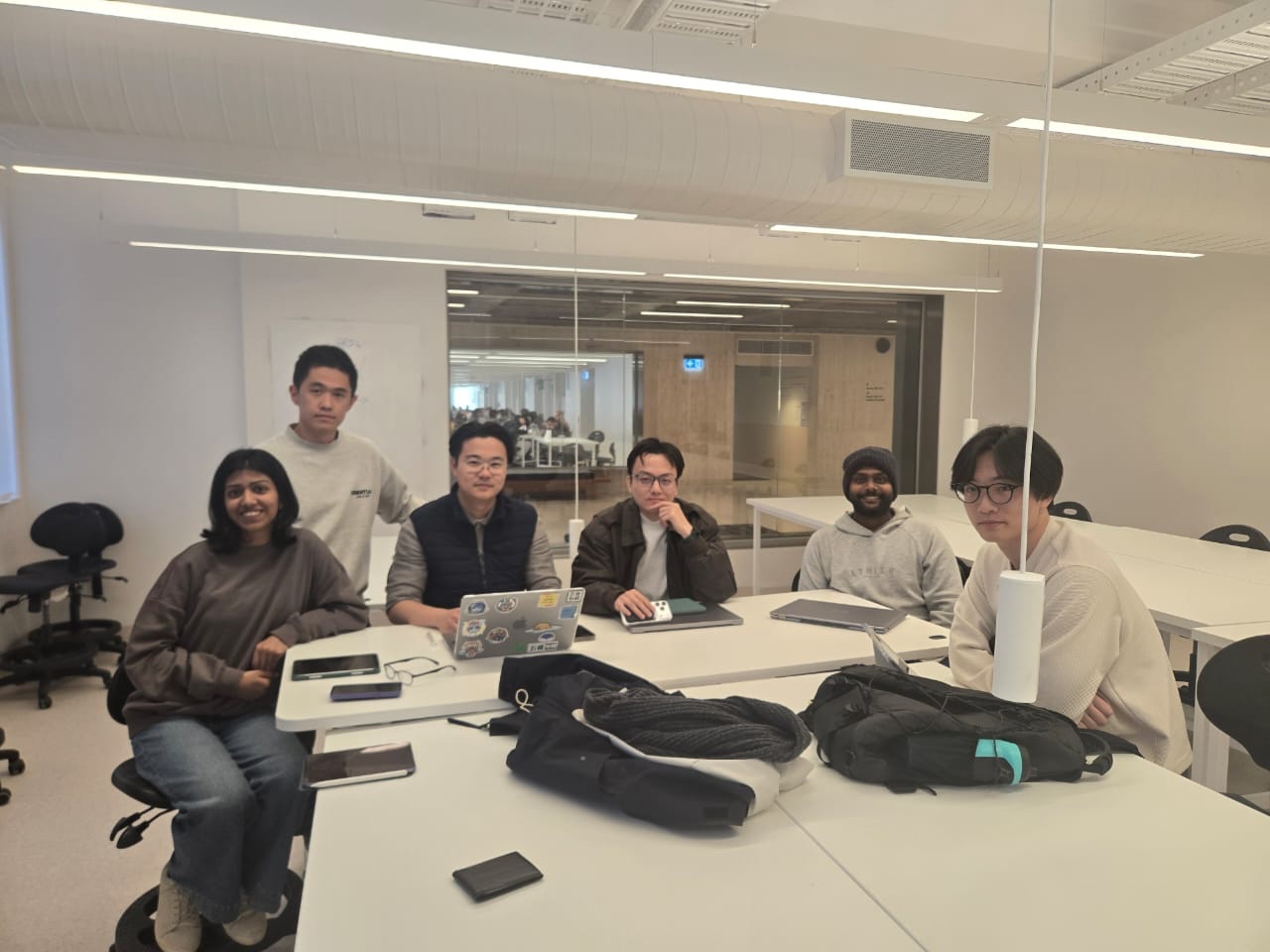
The six members of ENGN8170 Group 01 together in a study room
ENGN8170 Group 01Six members. One shared engineering challenge.

01 · WHO WE ARE

Meet the team

Six engineers combining modelling, electronics, fabrication and practical testing.

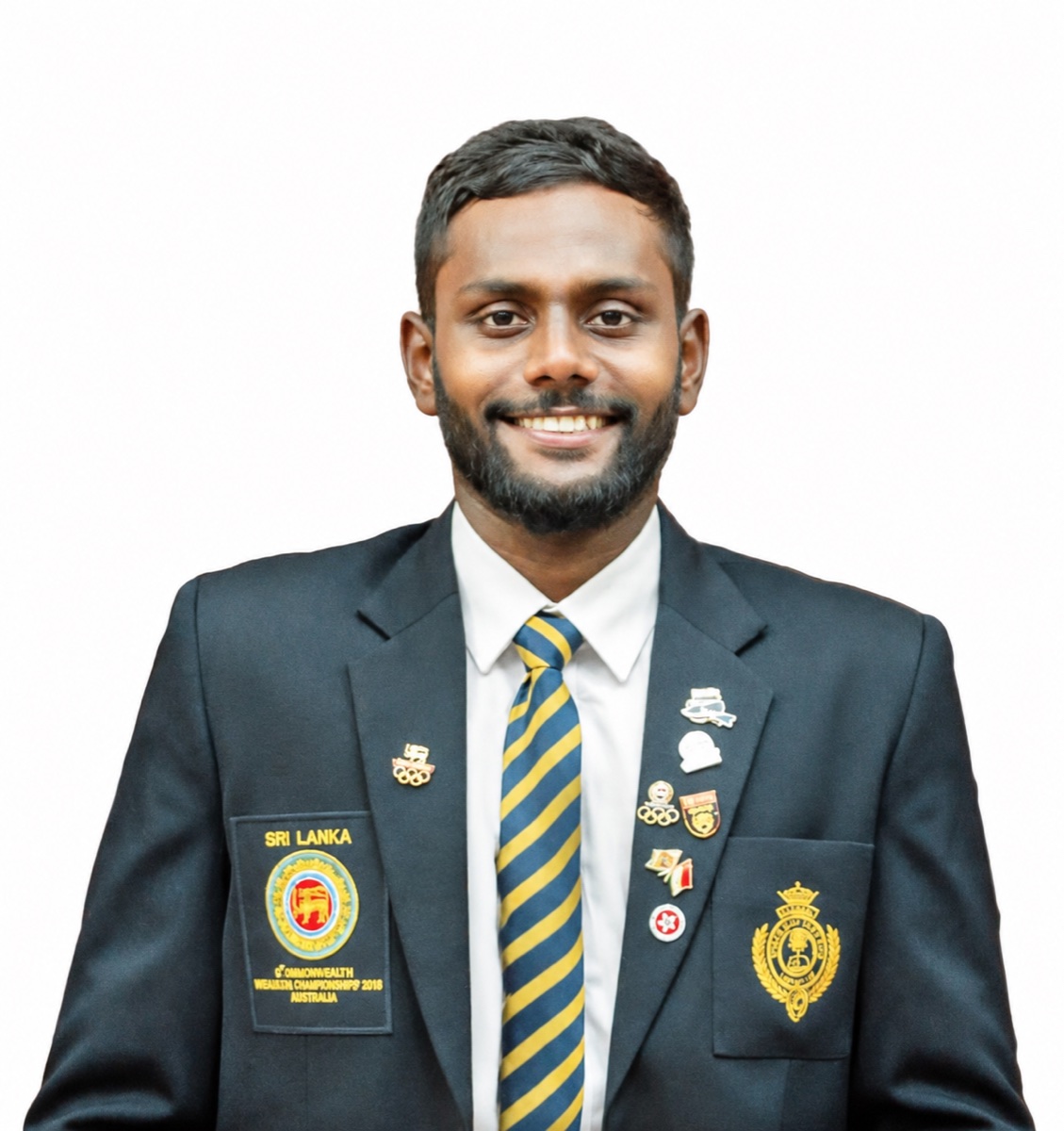
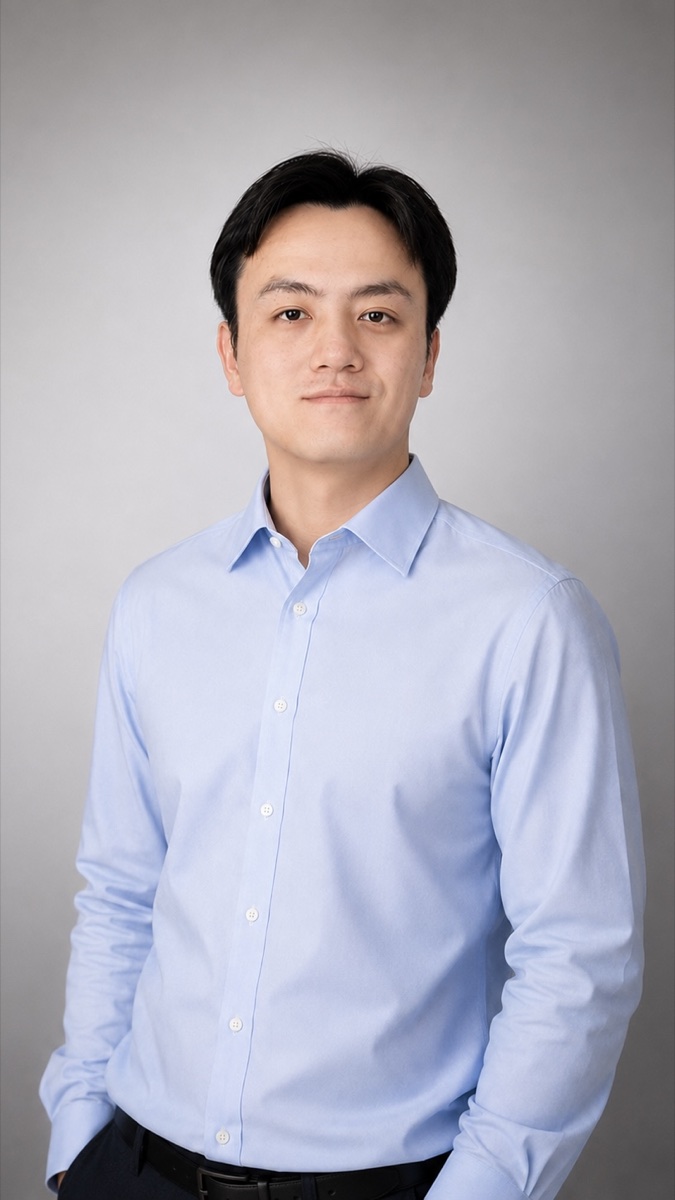
Portrait of Jianchen Huang

Team member

Jianchen Huang

Electrical Engineering, Modelling & Simulation

Control systems · Power electronics · MATLAB/Simulink/ANSYS · Mechanical design & CAD

Read introduction

I have a background in Electrical Engineering with experience in system modelling, control systems, power electronics, and engineering simulation. I can contribute to the electrical integration of the project, including system modelling, testing and technical analysis. I also have experience with mechanical design, CAD, and simulation using MATLAB, Simulink and ANSYS. I particularly enjoy analysing engineering problems through modelling, simulation and iterative testing, and working with the team to improve designs based on experimental results.
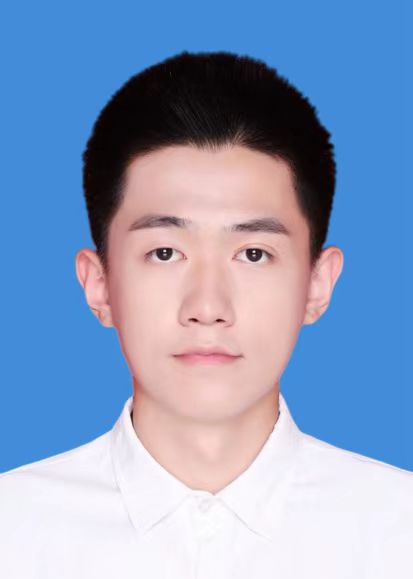
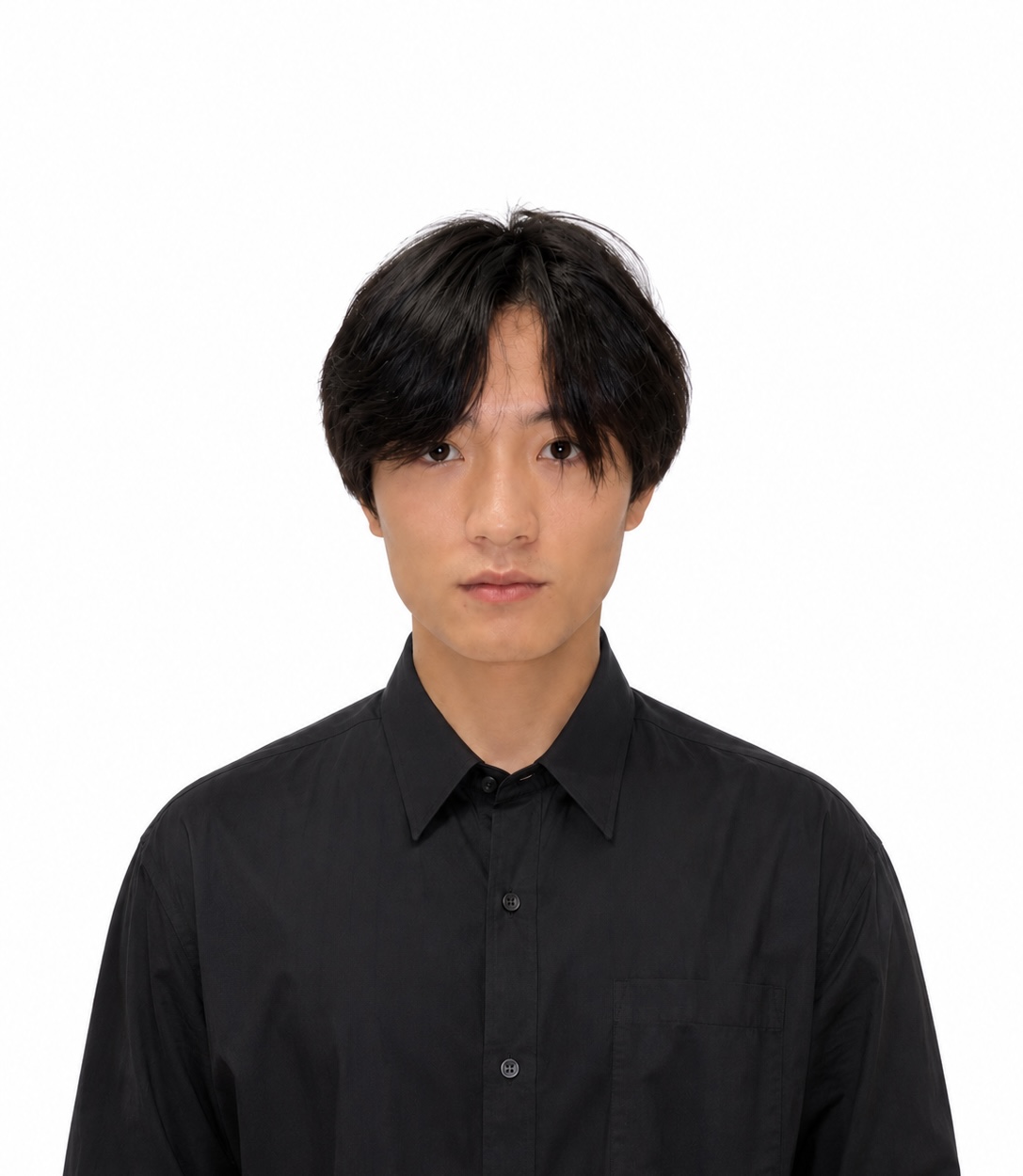
Portrait of Ruohan Wang

Team member

Ruohan Wang

Mechatronic & Electrical Engineering

Hardware assembly · Circuit testing · Troubleshooting

Read introduction

Worked as a technician on a robotics project, where I drew on my background in Mechatronic Engineering and Electrical Engineering to help with hardware assembly, circuit testing, and general troubleshooting. Enjoyed being able to apply both my mechanical and electrical training to solve practical problems as they came up during development.

Portrait of Rui Jiang

Team member

Rui Jiang

Electrical Engineering & Systems Analysis

Power systems · Engineering modelling · Requirements, verification & system integration

Read introduction

I am an electrical engineering student with a strong interest in power systems and systems engineering. I enjoy approaching complex engineering problems in a structured way by connecting evidence, modelling, requirements and verification. In this project, I aim to contribute to system integration by helping align subsystem interfaces and team outputs into a coherent, verifiable whole, supported by careful technical analysis, clear documentation and collaborative working.

Portrait of Sanika Borgaonkar

Team member

Sanika Borgaonkar

Electrical, Electronics & Instrumentation Engineering

VLSI design · Embedded systems · System testing

Read introduction

My background is in Electrical, Electronics, and Instrumentation Engineering, with experience in VLSI design, embedded systems, and simulation. I can contribute to the electrical integration of the project, including troubleshooting, system testing, and solving technical issues that arise during development. I enjoy working as part of a team to turn ideas into practical solutions.

Portrait of Steve Abeyrathne

Team member

Steve Abeyrathne

Electrical & Electronic Engineering

Electrical system design · Circuit tasks · Troubleshooting

Read introduction

I have a background in Electrical and Electronic Engineering and am happy to contribute to the electrical aspects of the project. I can assist with electrical system design, circuit-related tasks, troubleshooting, and other technical challenges that arise during development. I enjoy working collaboratively to find practical solutions and help move the project forward.

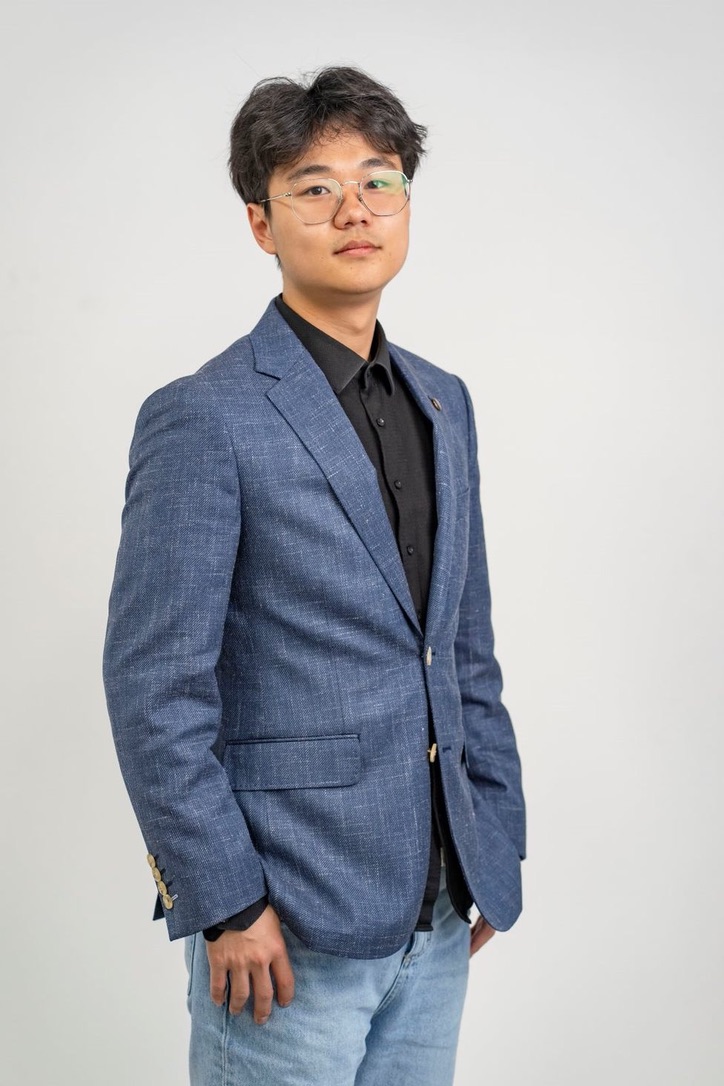
Portrait of Zhishuai Zhang

Team member

Zhishuai Zhang

Electrical Engineering

System modelling · Algorithm implementation · Circuit simulation & bench testing

Read introduction

I have a background in electrical engineering and am happy to contribute to both the software and hardware aspects of the project. I can assist with system modeling, algorithm implementation, circuit simulation, and bench testing. I enjoy working collaboratively to troubleshoot technical issues, integrate cross-disciplinary solutions, and help move the project forward.

02 · THE PROJECT

From mixed samples to size groups

EntoSieve moves a sieve through water to help separate insect samples. Our work connects the original design with an assembled, tested laboratory prototype.

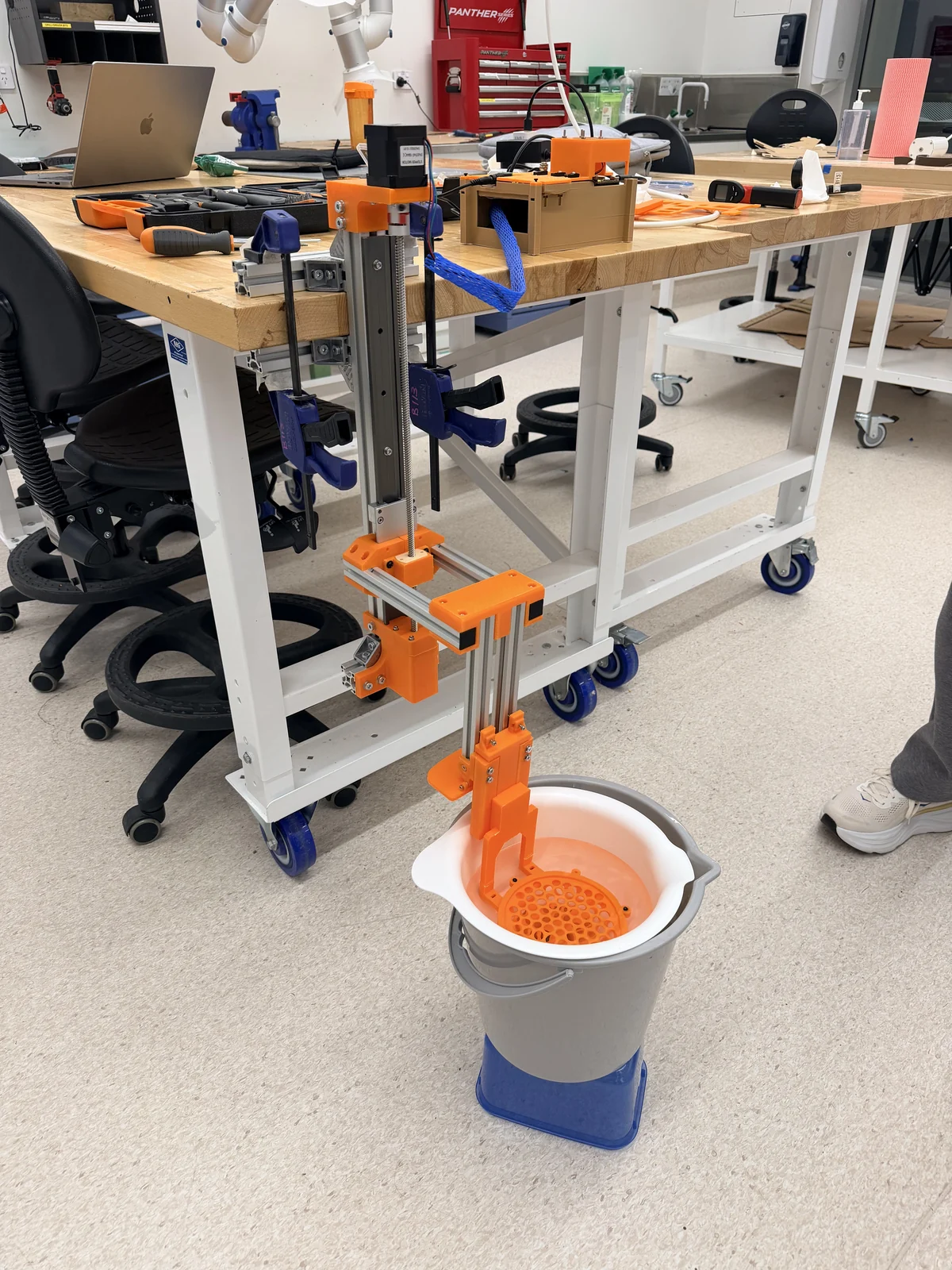
Assembled EntoSieve with motor, controller enclosure and curved sieve in a water-filled basin
11 October 2026 · Curved-sieve water-only trial. No specimens were used.

The assembled system

A simple motion.
A practical research tool.

A stepper motor drives the sieve up and down through water. A removable bucket and retaining ring support cleaning and sieve changes.

30 mm
Configured total stroke
3 buttons
Position, adjust speed, start and stop
3 & 10 mm
Interchangeable sieve apertures

The current firmware selects 10–75 mm/s in 5 mm/s steps. Knobs remain fitted for handover but are inactive in this control logic.

Before operation, set a suitable height and check clearance. Button C (D4) is a software stop; disconnect motor power before uploading or resetting.

Explore the interactive 3D model The model explains the design; dated photographs and test records document the physical machine.

01 · Purpose

Prepare samples for research

Mixed insect samples contain a wide range of body sizes. Our project supports sample preparation for biodiversity research through water-assisted sieving.

02 · Mechanism

Move the sieve through water

A motor and lead screw move the bucket vertically. Interchangeable 3 mm and 10 mm sieves support the intended separation into three size groups.

03 · Our contribution

Build, improve and reproduce

We reproduced the baseline, introduced three-button control and developed a revised bucket and fan enclosure. The machine and agreed accessories were delivered to the client laboratory on 15 October.

Intended size groups
Maximum body dimension
≤ 3 mm> 3 to < 10 mm≥ 10 mm

These are the intended size boundaries. Client acceptance is recorded; quantitative classification accuracy, recovery and damage remain unestablished.

Based on the original EntoSieve research and open design. Read the paper ↗ · Design credits

03 · RECENT RESULTS

What the tests show

Completed checks, stated at the conditions tested. Photographs show the hardware and observations; each result links to its dated test record.

12 October 2026

500reciprocating cycles

500 cycles with water

The assembled machine completed 500 cycles over 10 minutes with a bucket and water, without specimens. No abnormal behaviour was reported.

11 October 2026

2 × 2separate water-only runs

Both revised sieves exercised

The 3 mm and 10 mm curved sieves each completed two separate 10-minute submerged runs. No specimens were used and no problems were reported.

12 October 2026

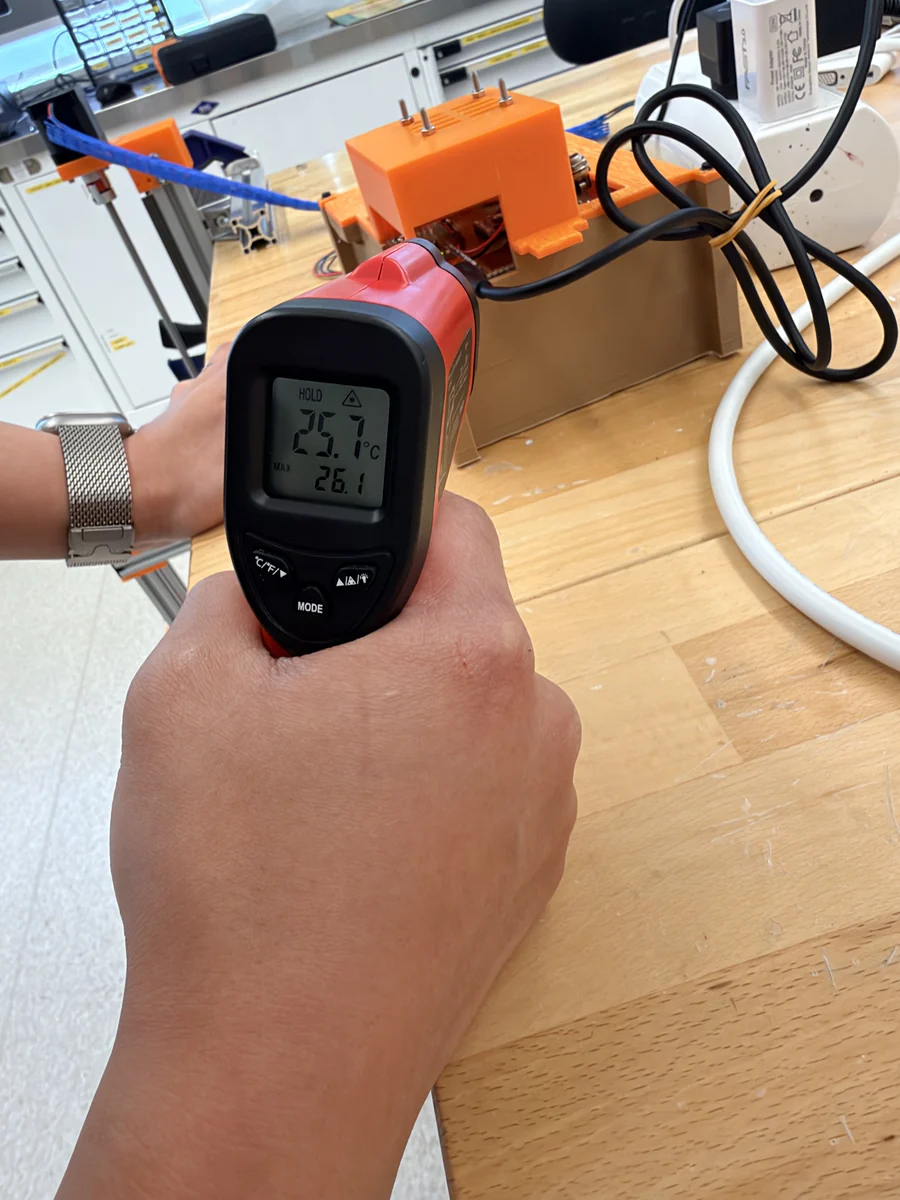
25.7°CA4988 end reading

Fan and enclosure checked

The A4988 reading changed from 26.1°C to 25.7°C during the 10-minute run. The fan was on and the enclosure fitted; airflow and cable clearance were checked.

12 October 2026

30 mmconfigured total stroke

Assembly and travel checked

Frame and sieve dimensions were documented. The team confirmed stable connections and repeatable travel without progressive drift.

Test-record links open the shared workbook and may require project Drive access. The photographs below are available on this site.

Read the 15 October client acceptance record ↗

36 Passed · 7 N/A
7 Closed — accepted limitation
The 50-case Test Plan records seven cases closed under the accepted evidence limits. This does not establish unmeasured quantitative results. Client acceptance of current sorting was recorded on 15 October.
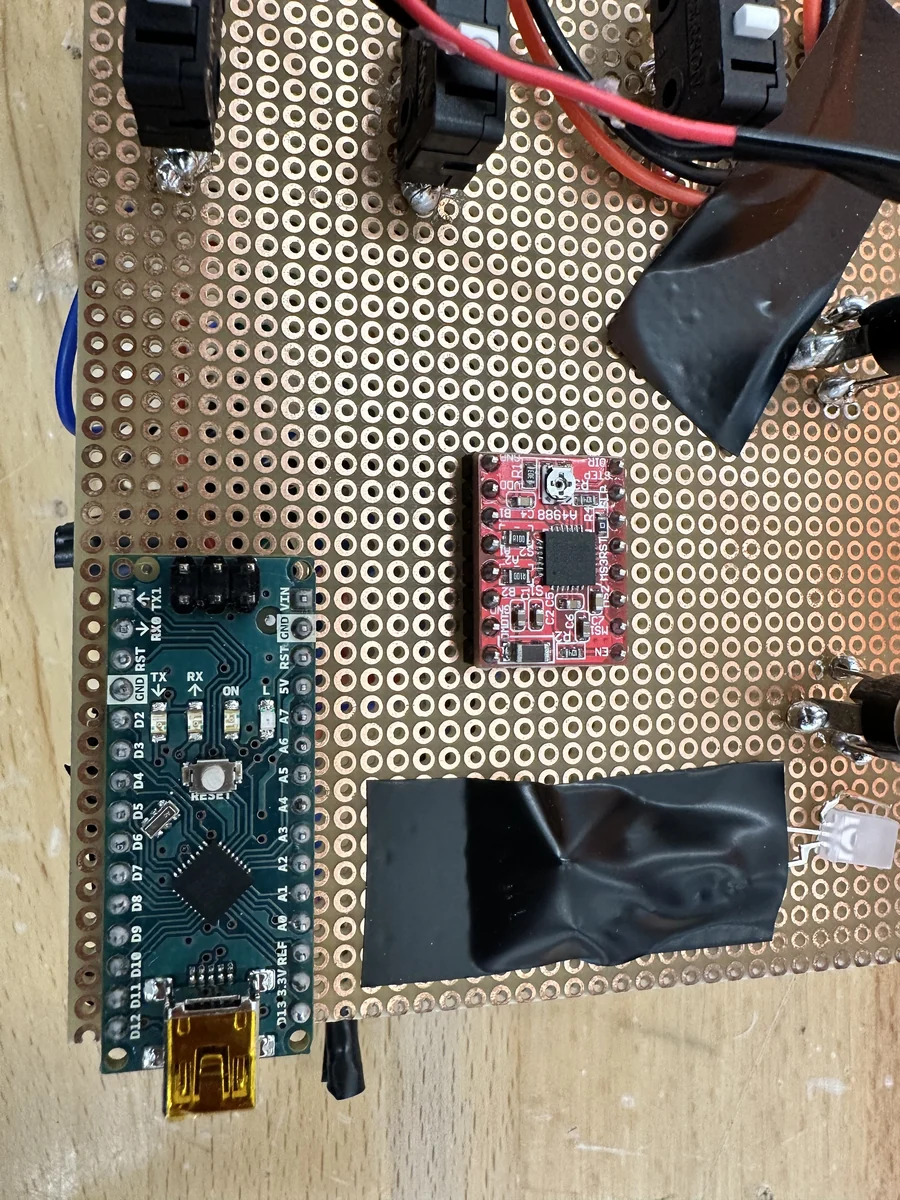
Close-up of the Arduino Nano and A4988 installed on the controller board

12 October 2026 · Controller

The electronics inside

The actual Nano and A4988 board. Three buttons operate the machine; fitted knobs remain inactive in the current firmware.

Control test record ↗
Thermometer showing 25.7 degrees Celsius beside the installed controller enclosure

12 October 2026 · Temperature

A recorded end-of-run reading

The 25.7°C A4988 reading accompanies the water-loaded run. This short test does not establish an unrestricted thermal duty rating.

Temperature and run record ↗
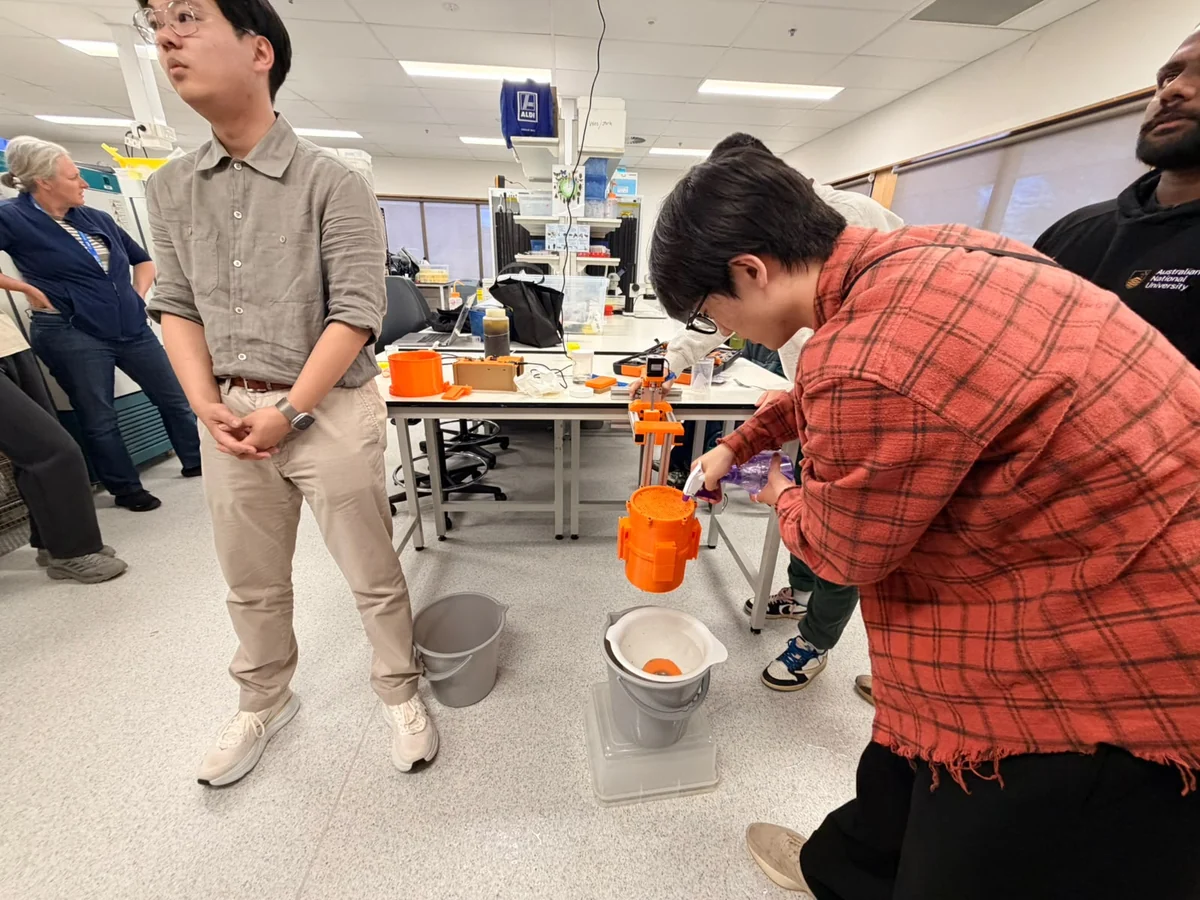
Rinsing the earlier cylindrical bucket during the specimen demonstration

6 October 2026 · Earlier bucket

The specimen workflow in use

A photograph from the client demonstration shows rinsing with the earlier cylindrical bucket. The revised curved bucket has since completed water-only trials.

View photograph ↗
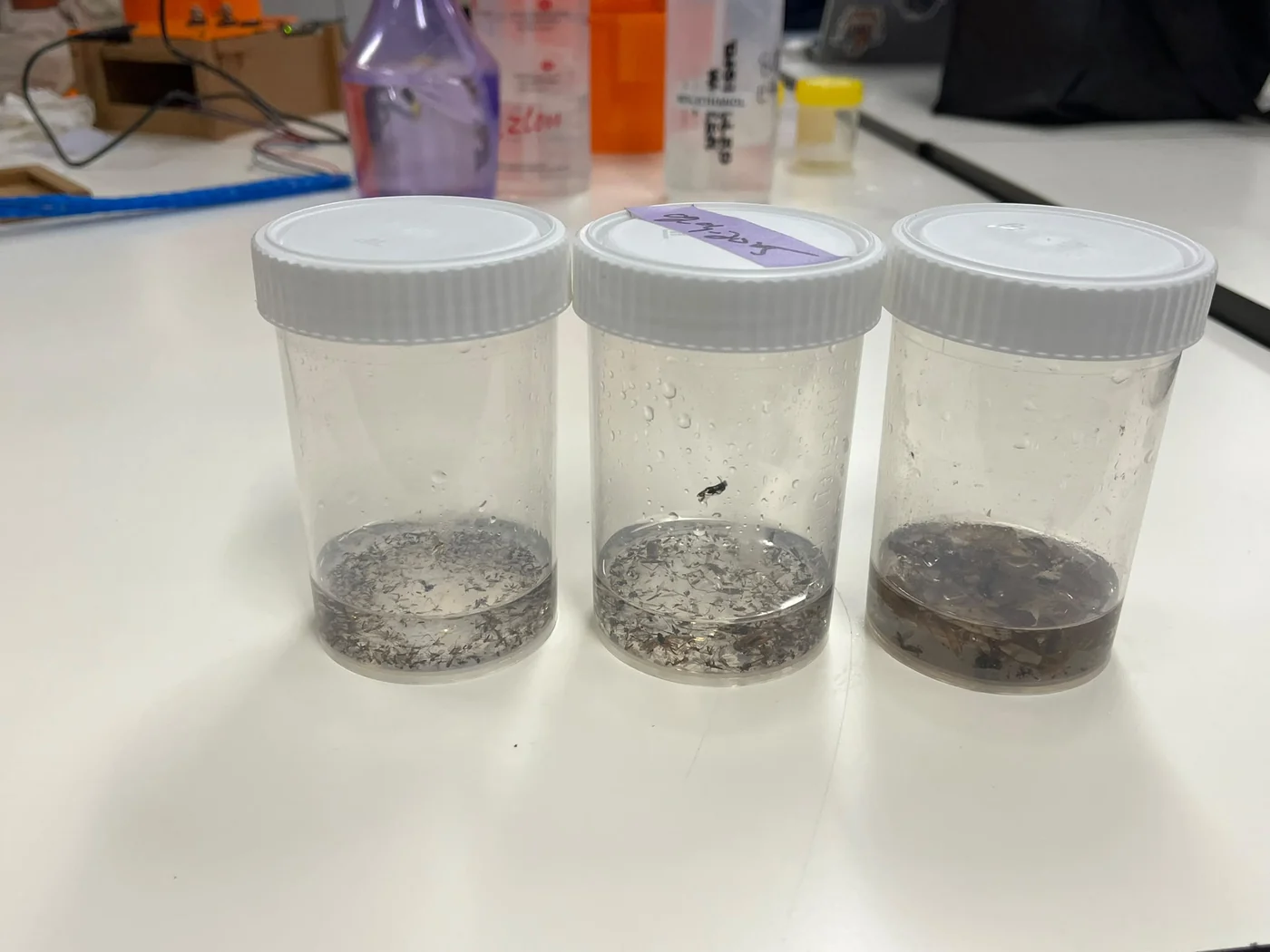
Three labelled specimen containers from the 6 October demonstration

6 October 2026 · Specimen groups

Collected outputs

Three containers from the demonstration. The photograph records collected groups; quantitative sorting accuracy and recovery are not established by this photograph.

View photograph ↗

04 · HANDOVER & CLOSEOUT

Built. Tested. Documented.

The clients accepted current sorting, and the main machine and agreed accessories were delivered on 15 October. Formal project records are now released. The remaining handover was completed on 20 October.

  1. 01 · BaselineBuilt

    Reproduce

    Assemble the original design, establish the operating requirements and demonstrate the specimen workflow with the clients.

  2. 02 · Client reviewAccepted

    Improve & review

    Current sorting was accepted on 15 October. The records retain the measured outcomes, specimen limitations and scope of each completed check.

  3. 03 · CloseoutCompleted

    Release the handover records

    The formal document package and reproduction sources are released. All 150 recorded Planner tasks are closed as of 18 October. Final handover was completed on 20 October. The course presentation remains scheduled for 22 October.

Accepted

Current sorting accepted by the clients

Rui recorded Josh’s acceptance and reported Megan’s agreement. Known-size mixed specimens were unavailable, and preservation damage limited assessment. No new quantitative accuracy, recovery or damage results are claimed.

Complete

Formal records released

Final document checks and recorded project tasks are complete. The handover guide links the parts, firmware, print projects and test evidence needed to inspect or reproduce the machine.

Delivered

Final handover completed

The remaining handover was completed on 20 October, including the additional bucket-to-arm connector, threaded ring and existing spare portafilter. These later requests were separate from the main machine accepted and delivered on 15 October.

Upcoming

Course presentation

Ruohan Wang and Jianchen Huang will give the ten-minute presentation on Thursday 22 October at 2:00 pm.

How we got here

Earlier assembly photos, design iterations and dated project updates are retained in the history.

Read the project history ↗

05 · AUDIT DOCUMENTS

Read the project records.

Open the agreed scope, then the formal handover records and linked evidence. One current file is maintained for each purpose.

Project repository

Current project files, supporting evidence and retained historical versions.

Open the repository

Signed Concept of Operations

The agreed project purpose, scope and operational requirements. The signed main content is unchanged.

Read the ConOps

Reproduction and handover guide

Formal operating, wiring and assembly guidance, with part-specific source links and saved print estimates.

Read the handover guide

Complete reproduction package

Download the guide, parts table, selected design files and supporting records together. Extract the ZIP before opening its local links.

Download the package

Code and printable source files

Current firmware, 26 selected STL models and print projects, with optional future designs kept separate. GitHub requires an authorised account.

Browse GitHub sources

Use the account granted access to the project Drive. If access is denied, select Request access or email Rui.Jiang@anu.edu.au with your reviewing account. The GitHub repository is private; corresponding Drive sources remain available through the handover guide and package.

06 · CONTACT

Follow the project.

For project enquiries or more information about our work, contact the team.

Team contact
Rui JiangRui.Jiang@anu.edu.au
Project clients
Dr Megan Head & Josh · Project clients
Project records
Repository, ConOps and current document index